NEW! GenEd Armenian Genocide Teaching Trunks
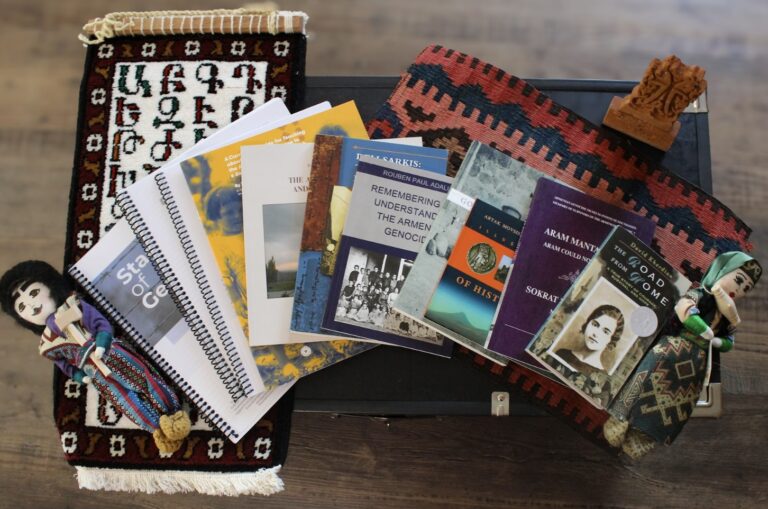
The Genocide Education Project is excited to share its new GenEd Armenian Genocide Teaching Trunks – Free for California teachers to borrow at no cost

The GenEd Teaching Guides are designed to be flexible and adaptable. They are listed here by category, in an order that introduces students to Armenians and their experience, progressing through the history of the Armenian Genocide, its aftermath and examination of the resilience and survivors and their descendants in preserving Armenian identity. To the extent teachers can build on these themes through their chosen teaching guides, students can develop stronger social-emotional skills and empathy for others.
The Genocide Education Project is excited to share its new GenEd Armenian Genocide Teaching Trunks – Free for California teachers to borrow at no cost

Studying genocide is a critical part of a student’s understanding of both history and of current events. The Stages of Genocide Toolkit is designed to help teachers cover the topic in a meaningful and incisive way, introducing students to the…
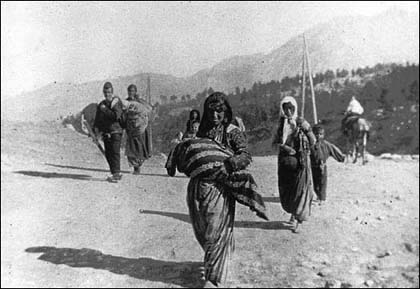
This teaching guide is based on genocide scholar Dr. Gregory H. Stanton’s work “Ten Stages of Genocide” (an update of his previous “Eight Stages of Genocide,” 1996.) The progression of stages is a formula for how genocide is prepared, carried out, and produces…

Reading memoirs and historical fiction with students supports learning while exploring different eras and geographic locations. To prepare students for reading “Who She Left Behind,” a historically based account of a young woman’s experience during the Armenian Genocide and immigration to…

Deepening students’ understanding of a culture allows them to engage more fully with the extent of the damage and long-term consequences of genocide beyond the finite number of deaths.

Understanding other cultures means exploring their languages, beliefs, art, traditions. Central to the Armenian identity is the unique language and alphabet, a deeply held religious faith, and their unique expression of these two components in “illuminated manuscripts” (handwritten books decorated…

Learn about the Armenian Genocide through the story of a doll’s dress.

Explore how an everyday object saved a family during the Armenian Genocide.
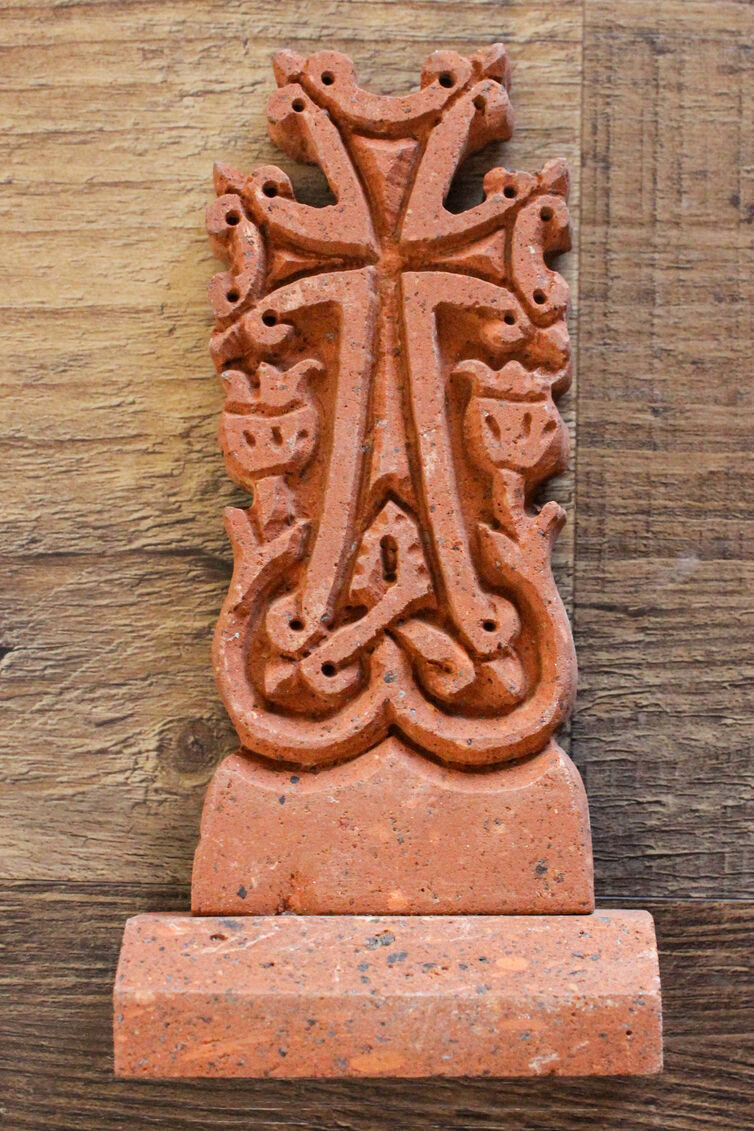
With a focus on literacy, this multi-day lesson uses geography and historical reading to help students learn about the Armenian Genocide of 1915 and the ongoing territorial disputes that led to the 2023 genocide of Armenians in Artsakh. This piece…

This short lesson is intended as an introduction to a broader study of the Armenian Genocide, WWI, and literature.